I want to leave a short record of what it was like to participate with a booth at the first Seoul Game Town event, which was held on September 20 at All That Mind in Yeongdeungpo.
Seoul Game Town was a game event held for the first time this year, and it was built around the unusually memorable theme of “an event where every game can be respected.” It was, in every sense, an event created for indie games.
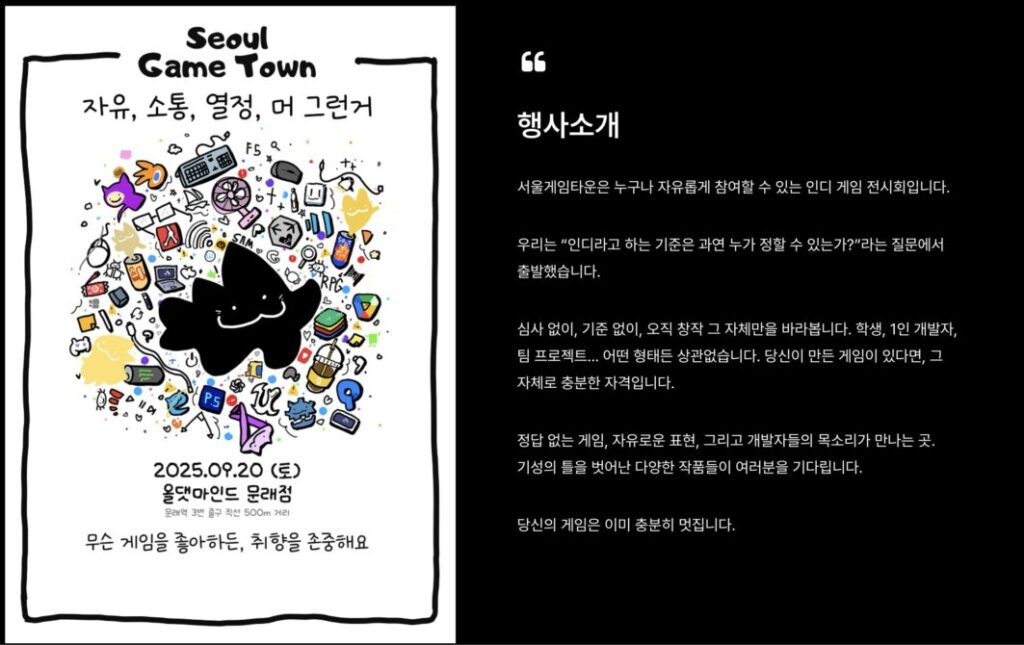
To be honest, SoonsoonFactory, the company I belong to, is not really an indie game studio so much as a company that builds development assets widely used by indie game developers. So I was not completely sure whether our participation really matched the spirit of the event. Still, once we were told that we could join if we submitted a game of our own, we decided to go for it.
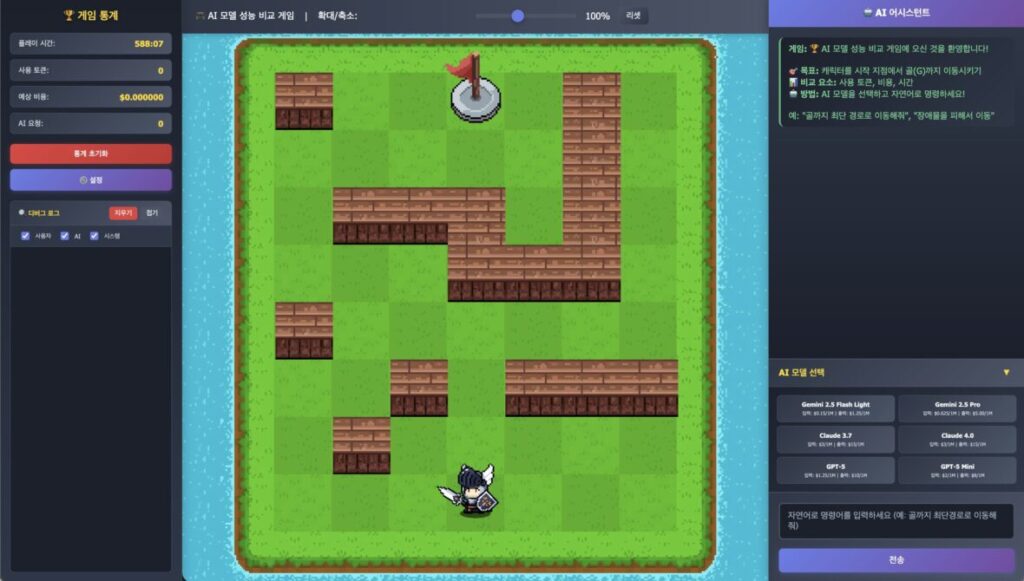
We rushed to build a prototype in just a few days and ended up participating. Of course, I did not want to simply ride on top of the hard work of people who had spent a long time making games out of pure passion, so we decided to support the event as much as we could by helping with snack costs for the staff and providing whatever modest support our team was able to offer.
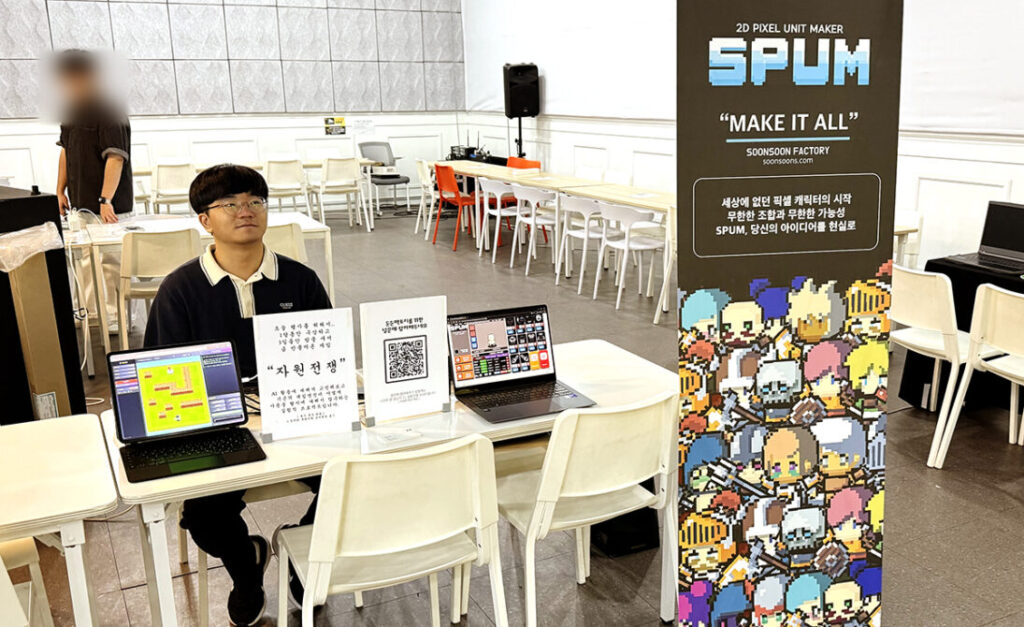
Somehow, this became the very first time in my life that I had ever operated a booth related to games. I had attended many events before, either as a visitor or as a speaker, but now, well into my forties, I was finally participating with my own game and with my own teammates.
More than anything else, the reason SoonsoonFactory chose Seoul Game Town as its first official event was that the purpose of the event itself was just so compelling.
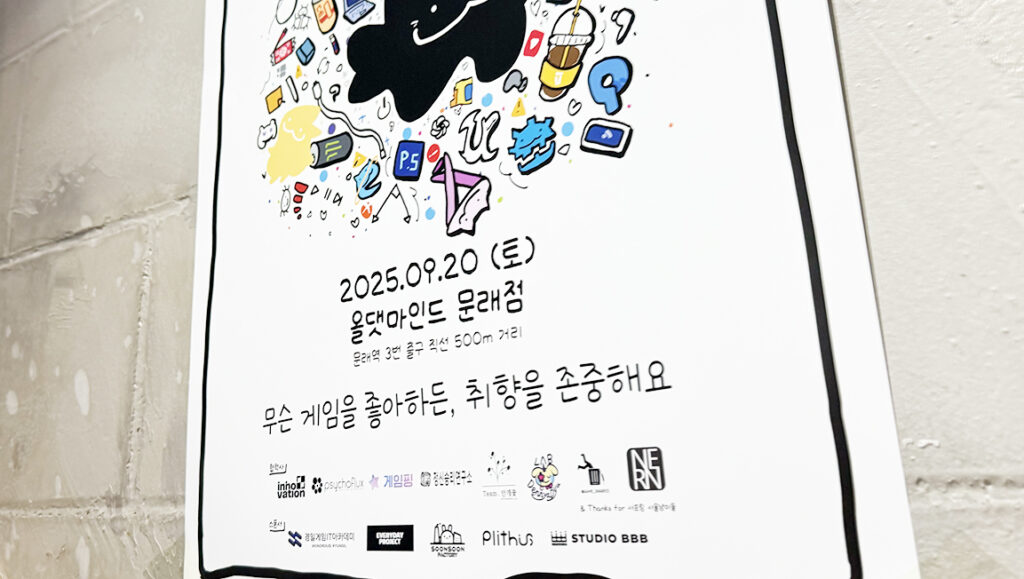
It felt like an event for people who genuinely love game development, who want to express themselves through games, and who want to create work that connects with players instead of ending in pure self-satisfaction.
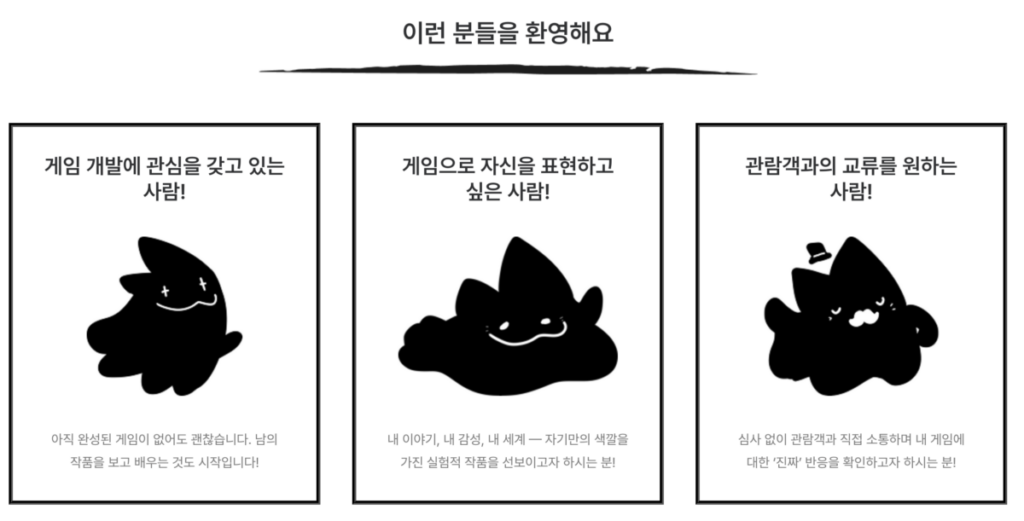
It felt to me like the ideal kind of event for people building indie games.
When I first jumped into mainstream game development back in 2012—if we exclude the wargame side I started with around 2004, which was far from mainstream—indie game culture was not yet widely known. Because of that, it often felt like a culture for only a small group of people who already knew each other.
But as the years passed, many people worked tirelessly to grow indie game culture from the beginning, and many talented small studios emerged. Now indie games are no longer just a niche, geeky corner of the market. They have become a major category embraced by large numbers of players and are arguably enjoying their biggest golden age so far.
At the same time, because of that growth, it sometimes feels as though the values of freedom, individuality, and simply making the game you want are being pushed aside, while AAA-style evaluation standards and commercial success metrics are more naturally being applied to indie games too. And with several indie teams now achieving major commercial success, many indie developers seem to be running with “commercial success” as the top priority more than ever before.
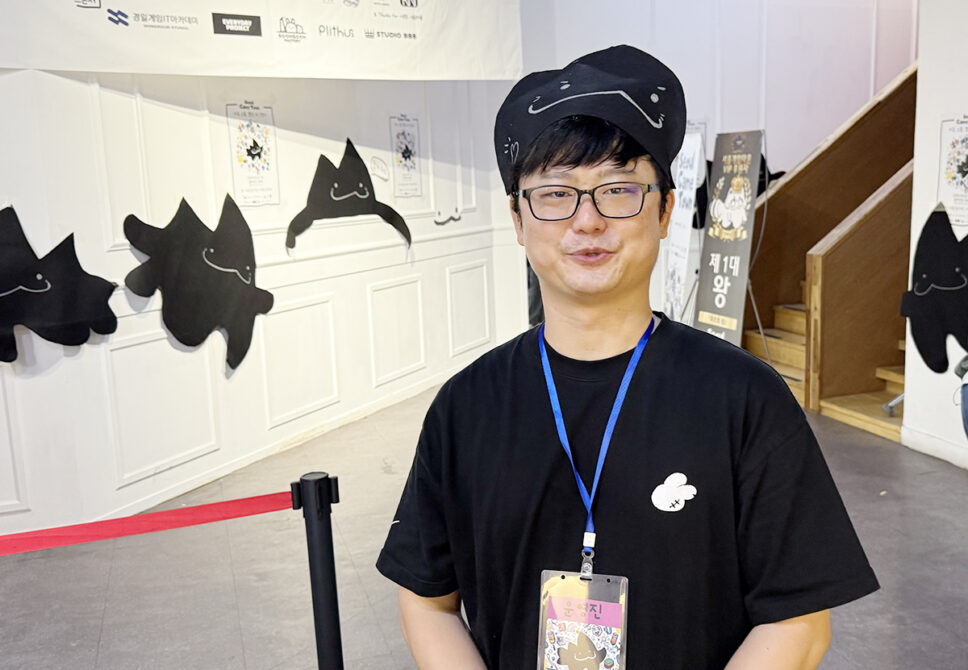
Against that backdrop, Yang Myung-jin—who had been involved in planning this event from the early stages and first told me it existed—explained that, beyond the growth of the indie game industry itself, he also wanted to create the kind of game event that reminded us of the game development culture we loved in earlier days. Listening to that, I decided that Seoul Game Town would be the right first event for our company and our team.
Of course, that purpose was the most important part. But for me, someone with no previous experience running a game-related booth offline, it also carried a lot of pressure.
“It’s the first event, and promotion probably won’t be easy, so I don’t think that many people will come.”
That very unconvincing bluff from Yang Myung-jin actually eased the burden of participating for the first time. Since IndieCraft, one of the biggest game-related events in Korea, was also happening around the same time, I thought this might become a first event I could join without too much pressure.
So while preparing everything in a rush, part of me was quietly hoping that maybe I could get through it without too much stress.
But no. Not at all.
Because of family matters, I was only able to help with the venue setup in the morning and then return to the event close to 3 p.m. When I came back, the venue was packed with visitors.
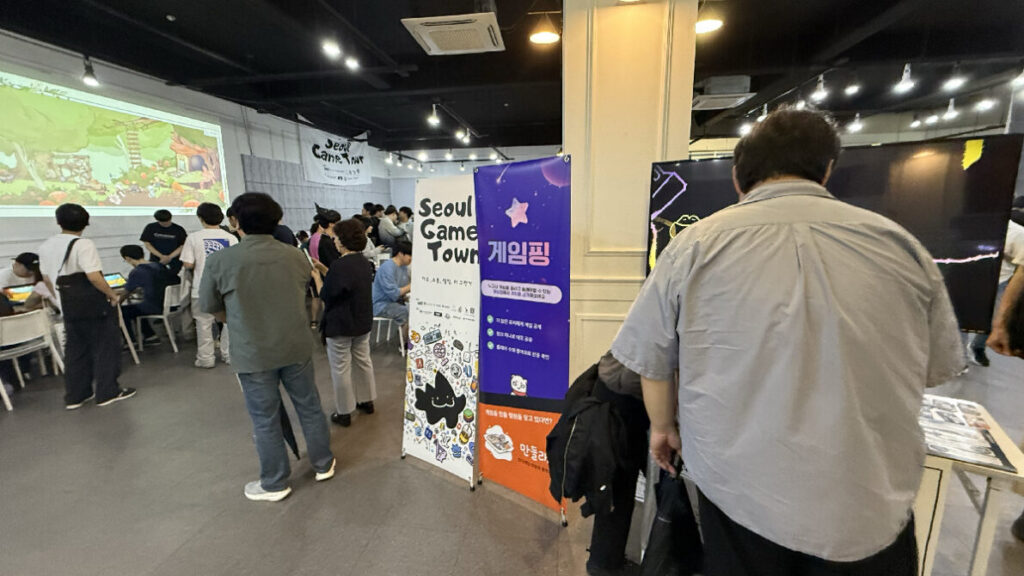
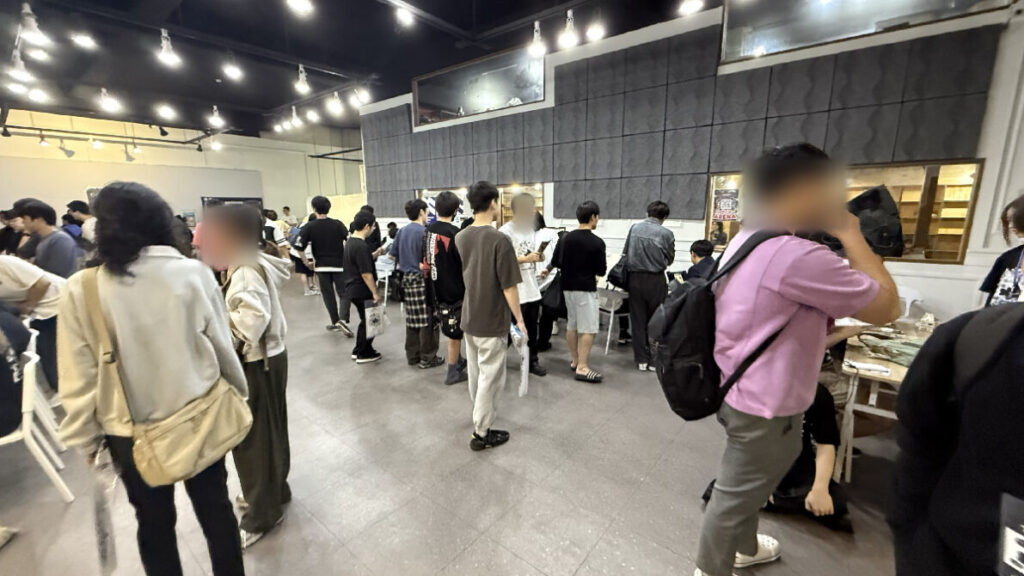
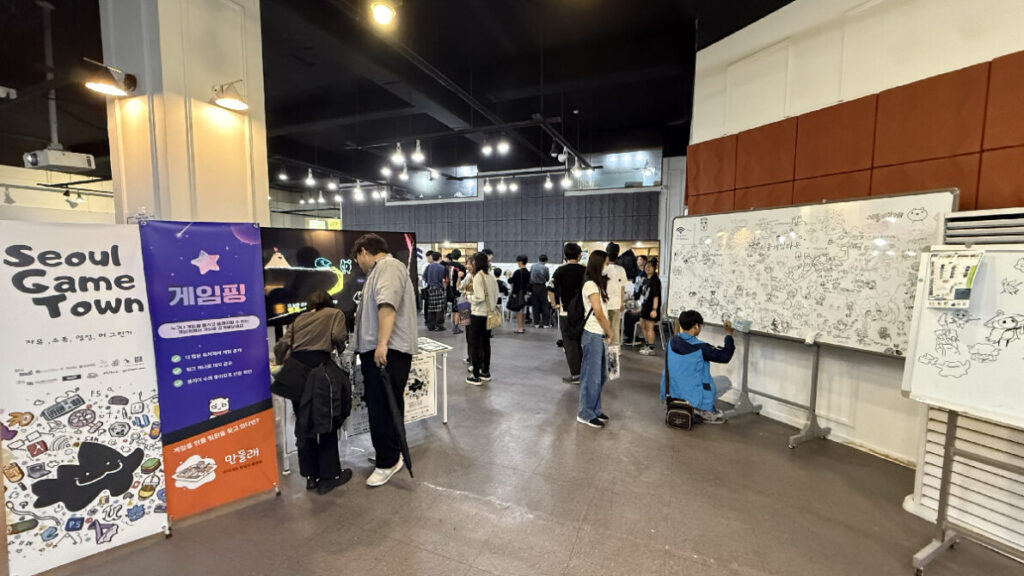
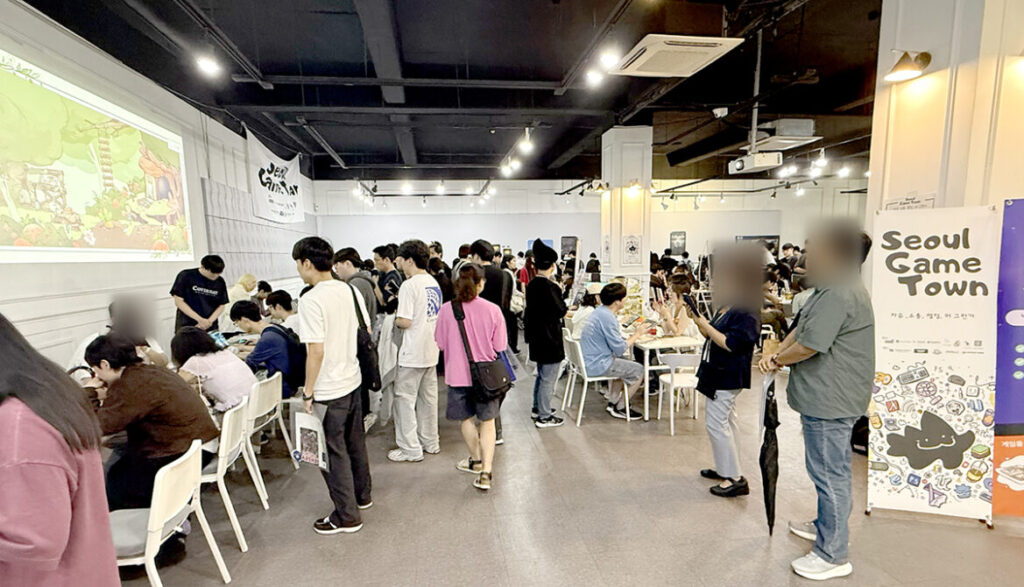
Some games had lines so long that people had to wait dozens of minutes just to play them. Many teams had also brought their own merchandise or products. I didn’t get to see all of it myself, but my teammates told me what it was like.
As soon as the event started, people apparently screamed out in excitement and an “open-run” scene unfolded. There were even human barricades and long lines forming immediately.
Unfortunately, one of those lines formed right next to our tiny and comparatively underprepared booth, so honestly, I might have been quite embarrassed if I had seen that exact moment in person.
By the time I arrived, many visitors were already showing curiosity toward both SPUM and Resource War, the game we had rushed out for the event. It has been nearly five years since I first released SPUM, but this was the very first time I had seen users show real interest in it and try it firsthand at an offline venue. It left me with emotions that are difficult to describe.
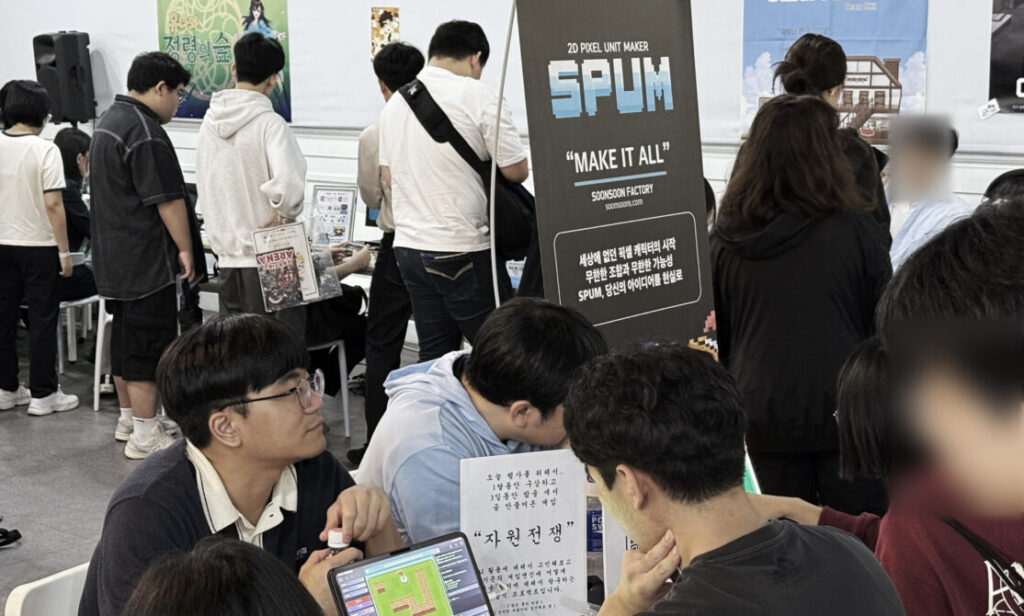
Net, who joined our team last year and has been helping lead SPUM’s main development, even left Busan at 6 a.m. to be there from beginning to end, then ate dinner and headed right back home that same night.
From a developer’s point of view, I think there is a lot to learn from a setting where many people show interest in something you made, listen to your explanations, and share their own feedback with you.
Interestingly, quite a lot of people already knew SPUM or had at least heard of it, but many of them had no idea that it had been made by a Korean developer—me. Some said they would definitely buy and use it later after trying it on site. It ended up being a very meaningful experience.
This must be why people keep participating in offline events.
Near the end of the day, I also had the chance to briefly talk with Bae Inho, Jang Euntae, and Park Jonghyuk, the people who directly planned Seoul Game Town, prepared it, and turned it into such a success.
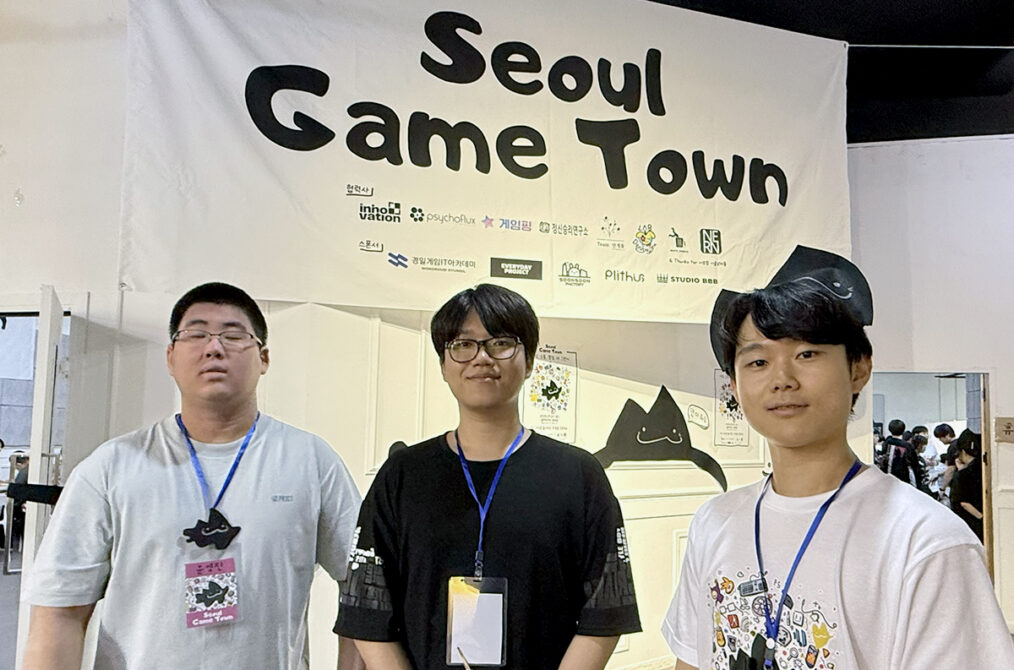
Oddly enough, one of them had once been active in the game-development community through the Level Zero community I had created and run back when I was a high school student about ten years ago. Another had studied using the AR GitHub resources I shared in the past. And although he is not in this photo, another had apparently studied Unity through a book I had written.
It was a strangely melancholic moment. I felt embarrassed, of course, but at the same time I also allowed myself a small moment of pride in thinking that perhaps I had played at least a tiny part in the beginning of these young developers now planning and executing such a wonderful event.
It was simply... fascinating.
Seoul Game Town ended up going far better than even the organizers had expected, and they themselves seemed a little stunned by the result. I suspect they will be much busier from now on, so we may not get many chances to sit and talk like that again.
If the opportunity ever comes, I would love to make some interview content about how Seoul Game Town first started and how it all came together.
The photo below was taken five minutes before the event ended, and just as the image suggests, even right up until the very last moment people were still actively participating at tables, playing games, chatting, and interacting with each other.
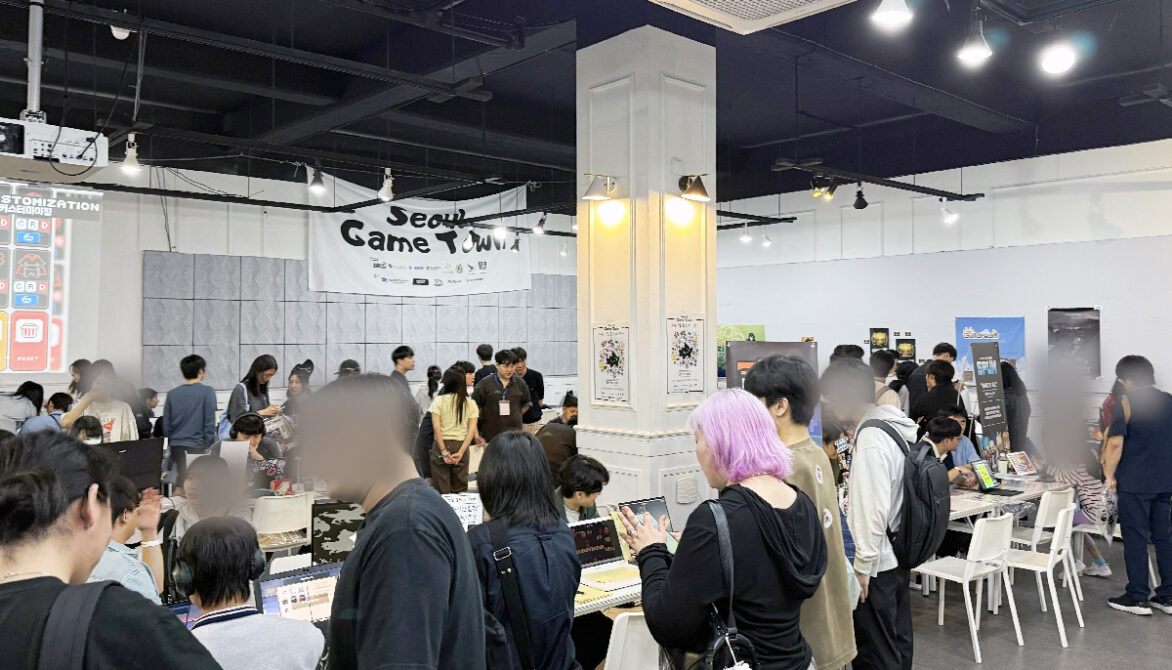
Then, right at 5 p.m., the organizers called out the countdown and announced the event’s end. When all of the attendees applauded together in celebration, it felt like a moment filled with real energy.
If I had to sum up the event personally, I would say it was a truly wonderful event that was carried out in a way that genuinely matched its original purpose.
In closing...
That concludes my participation review of Seoul Game Town, the first time in my life I ever joined a game event as an actual booth exhibitor.
To be honest, I have been so busy lately that when I first heard about the event and rushed to apply, I spent the days leading up to it thinking, “Did I make a mistake signing up for this?”
Even the day before the event, I was doing everything in a rush: designing an X-banner in five minutes and sending it for same-day production for the first time in over a decade, making instant business cards for the team, heading to Seongwon Adpia after midnight to pick up same-day printed materials, making little handmade display items at home, preparing a survey, and then staying up until 4 a.m. because the WebGL build we wanted visitors to try on site kept throwing publishing errors.
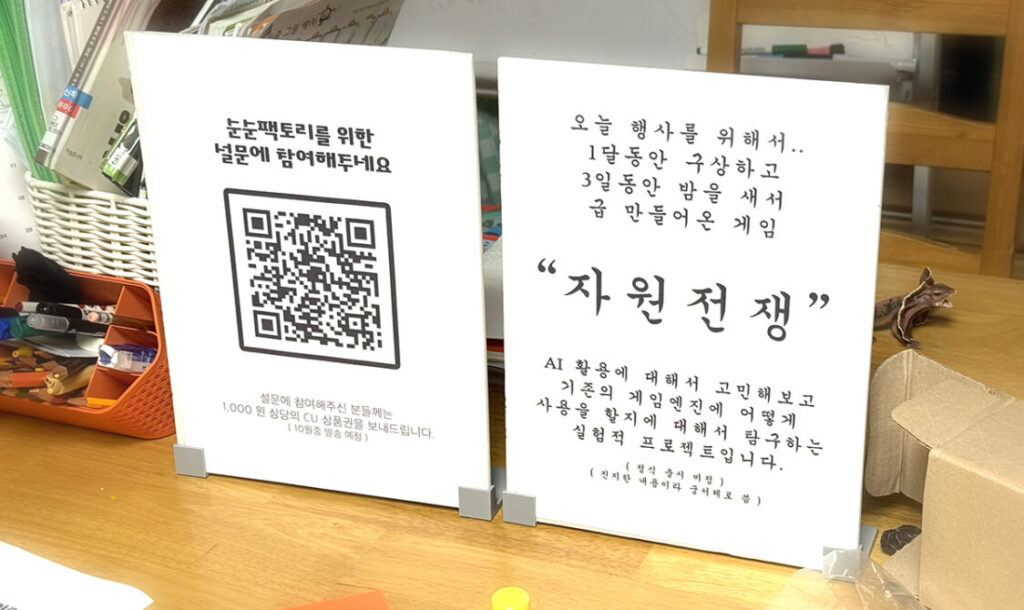
It was, quite literally, total mental overload.
At the same time, during my twenties I had spent years doing live demos for important people and presenting projects to all kinds of audiences at home and abroad, so in some ways it was a familiar mission. But because I had never done anything quite like this for myself, it also felt strangely unfamiliar at the same time.
More than anything, I was already in the middle of a development crunch, so suddenly adding an offline event on top of that left me exhausted, mentally overloaded, and very worried that I might ruin it.
Still, I think I managed not to become too much of a nuisance to the many indie developers who were sincerely building their games, promoting them as hard as they could, and meeting players at this valuable event.
At the same time, hearing how some of the connections from the old Level Zero event days had resurfaced through members of the organizing team gave me a deep sense that all the awkward struggle and trial-and-error from my past had not been meaningless after all.
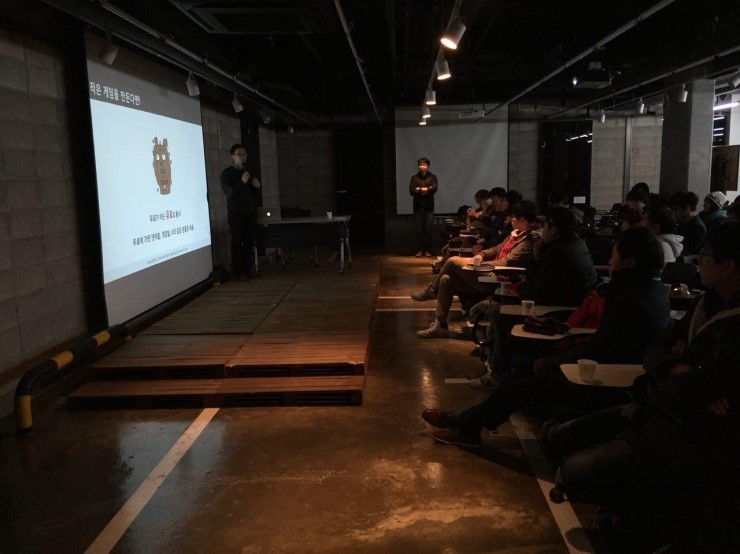
Back then, most small game-related events were marketing-driven networking events, so when we tried to run a rare event focused on practical technical seminars, we could not get sponsorship and I ended up paying for events almost every month out of my own pocket. Planning the event, recruiting speakers, booking venues, arranging snacks, announcing the event, gathering attendees... it was a lot.
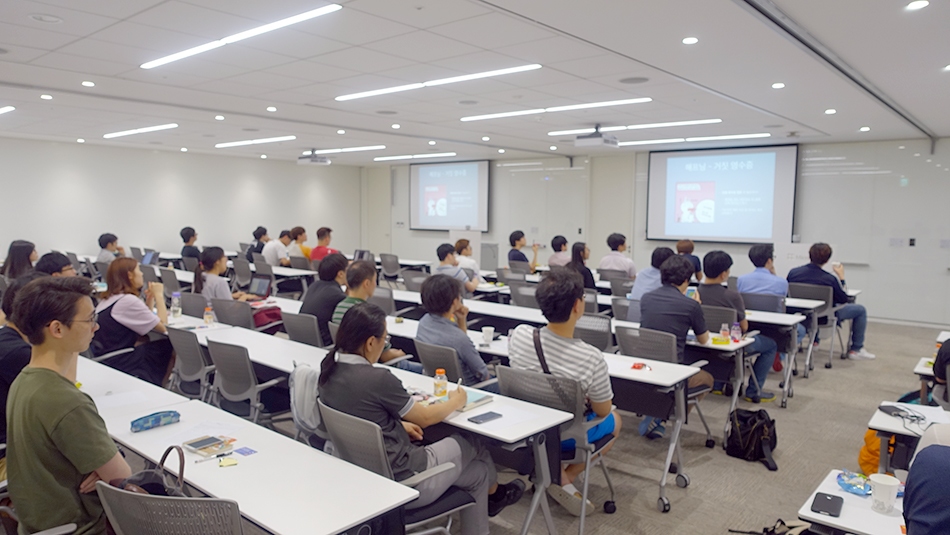
Of course, I kept doing it because I enjoyed it and because I thought it might help the Korean game-development scene, even in a small way, and allow me to give something back for the help I had received. But as burnout and various incidents accumulated, those years eventually became less a proud memory and more a period associated with the regret that I had never fully seen it through to the end.
And yet, through this event, seeing the way Korea’s indie game culture has grown so impressively, seeing so many wonderful development teams, and seeing so many different games, I found myself thinking that perhaps I had contributed at least a speck of dust to that progress. More than anything, I wanted to leave behind my deep gratitude for being able to share such a good place with everyone.
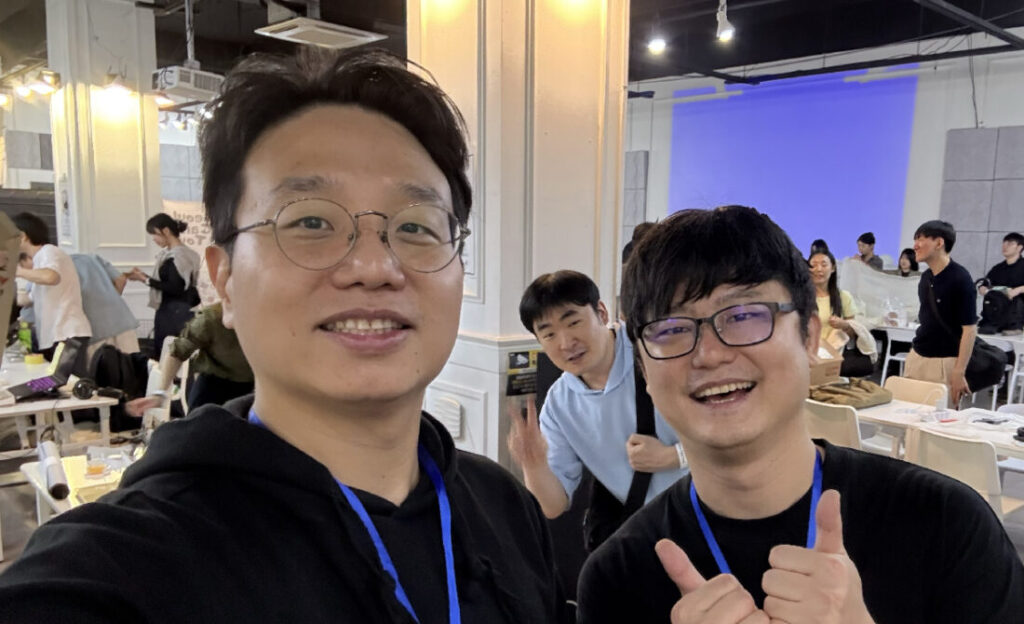
Finally, I also want to thank Yang Myung-jin for giving us the opportunity to join such a wonderful event, and to thank Net, Dohun, Sangwoo, and Sangwoo for traveling long distances from Gangwon and Busan and working so hard because of the event.
So that it can become an even greater source of pride to work in game development in Korea,
I need to keep working harder until I am worthy of that pride.