There was another interesting news at this year's MS Ignite 2022.
This is a story of collaboration with OpenAI, an artificial intelligence company.
OpenAI... haven't you heard that name often? That's right, it is the company that created the DALL-E artificial intelligence with which I suddenly became obsessed last week and studied with the Level Zero team.
 soonsoon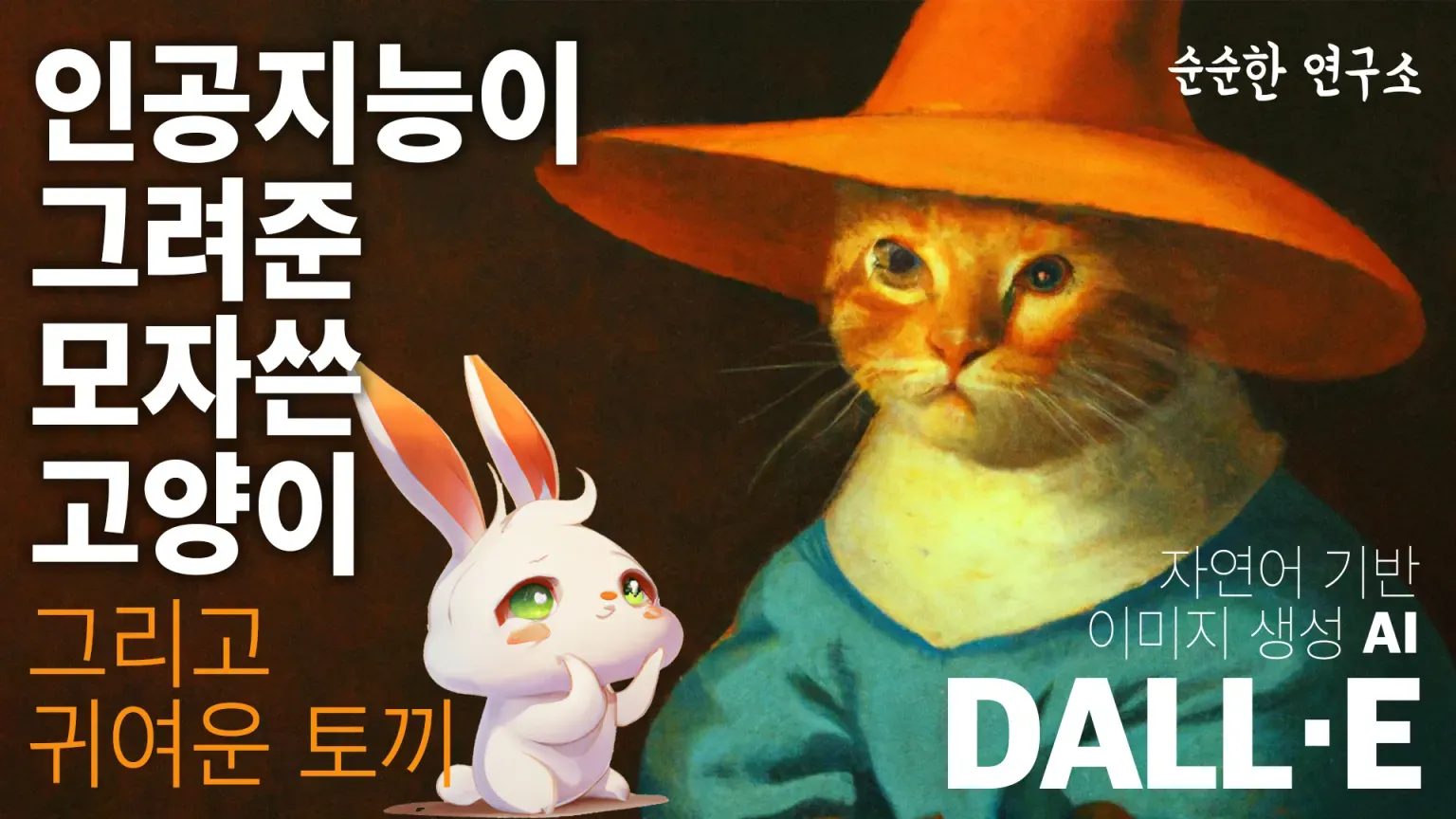
Am I really sensitive to trends? I only recently started taking an interest in AI, but I found out I'd be able to see related sessions at the MS Ignite event..

Anyway, Microsoft has been collaborating with OpenAI since last year, and OpenAI's representative took the stage at the keynote to share various stories. Since most of the content is quite interesting, it is recommended to check it out via the video below (with timestamps).
After all, Microsoft is a company that shares the global cloud server pie with AWS, and unlike AWS, it has deeply penetrated both enterprise and personal solutions, making it in a very advantageous position to expand, support, create, and serve AI technology...
I think the point where they mention Meta as a good customer, just like they did in the presentation yesterday, is the key takeaway.
( Well, that's why collaboration is possible.. )
MS predicts that its AI-related performance based on Azure is about twice that of other companies, but since I haven't actually run deep learning or ML, I'm not sure if it's really true.

And they say they are launching a service called Container for PyTorch, but since it's not my area of expertise, I'm not sure what it is. After taking a quick look, it seems to be an open-source deep learning framework that can be used on Azure.
https://azure.microsoft.com/en-us/resources/developers/pytorch/#what-is-pytorch

This part is something that future MS MVPs who are AI experts or anyone who knows about it should listen to and understand. It seems to be about an open-source deep learning framework called PyTorch and that it can be easily implemented in a containerized form on Azure.
Around five years ago, Microsoft suddenly ended its conflict with the open-source camp, which it had previously treated with hostility, and instead switched to a stance of active support, inclusion, and collaboration. I remember Satya Nadella, the CEO who is making this announcement today, as the one who led the charge at the front lines back then. At the time, many people reacted with surprise, but seeing how Microsoft is now able to embrace and attract countless open-source-based companies on Azure, it really seems like a choice made with foresight. The man is indeed a man.
After talking about AI here and there, they released another new service.. (Again??!! Again?!!!?)
This was quite an interesting service.
Meet Microsoft Designer.

Based on the OpenAI DALL-E technology introduced earlier, it is said that a service we have longed for so very much will be released under the MS name, allowing users to create their desired image slides for social media, PowerPoint, and other image materials without having to do the design themselves or outsource it, by utilizing AI-generated images.
https://designer.microsoft.com/

Just as you would input a few necessary natural language keywords to generate images on DALL-E, this service is said to instantly create image materials that can be used in your PowerPoint or social media images.

Actually, I tried DALL-E last week.. Even though there are stock images and various resources, it would be great if AI could create the necessary scenes on the fly while creating materials as needed. I thought about that..
I'll be listening to that at MS Ignite next week?
Did someone plant a listening device in my head?
It's probably the result of many people requesting and hoping for it, using AI image generation technology..

As the service is named Designer, it was evident that Microsoft intended to have AI handle many aspects of design on behalf of the user. (That is why people need to use this more often... to use Azure cloud more... and naturally increase revenue...)
Unfortunately, it cannot be used immediately, and it is said that you will be placed on a waiting list if you apply via email.

I'll use it as soon as I get permission later; I'm just too curious.
But what about copyright?
But having tried DALL-E, I wonder how copyright issues would be resolved if based on that AI solution. I wrote about this in a related post, but most AI-based image creation services tend to shift the responsibility for potential commercial use issues related to copyright onto the "user".
However, in this case, it comes out under the MS name itself..
In other words, the images provided for AI training are entirely trained on images for which Microsoft holds copyright. Based on this, DALL-E uses the Designer tool to combine images that Microsoft fully owns to create them, and if that is useful..? It appears that this can escape the copyright threat factors inherent in AI-generated art.
Individuals find it difficult to possess such a vast amount of image sources, so a world is coming where large companies or game companies, like Disney, who possess enormous image resources, will adopt solutions from AI companies to generate variations of their own "art style"... In other words, from the perspective of the copyright holder, this means they are having the variation work that would otherwise require hiring countless people done for them..
I created the SPUM assets because I wanted a random function to create even more variations for me. That was the original intent... It's a topic I can completely relate to.
Of course, you have to check the service and verify the user license once the public version is released, but.. If it's Microsoft, they have sufficient resources, and I think if a service comes out that allows companies with many image resources to purchase a certain cost or license to create and commercially use images in their company style, the impact will be enormous.
Anyway, I'm not sure if Microsoft is taking this approach because they think the same as I do, but I think it's worth keeping an eye on for various reasons.
Additionally, it would be worth exploring the stories behind Microsoft's Mesh and Teams solutions, which also demonstrate a commitment to AI and automation.
soonsoon