A significant change has occurred in the AWS and Anthropic camps. That is the arrival of the Claude Platform on AWS.
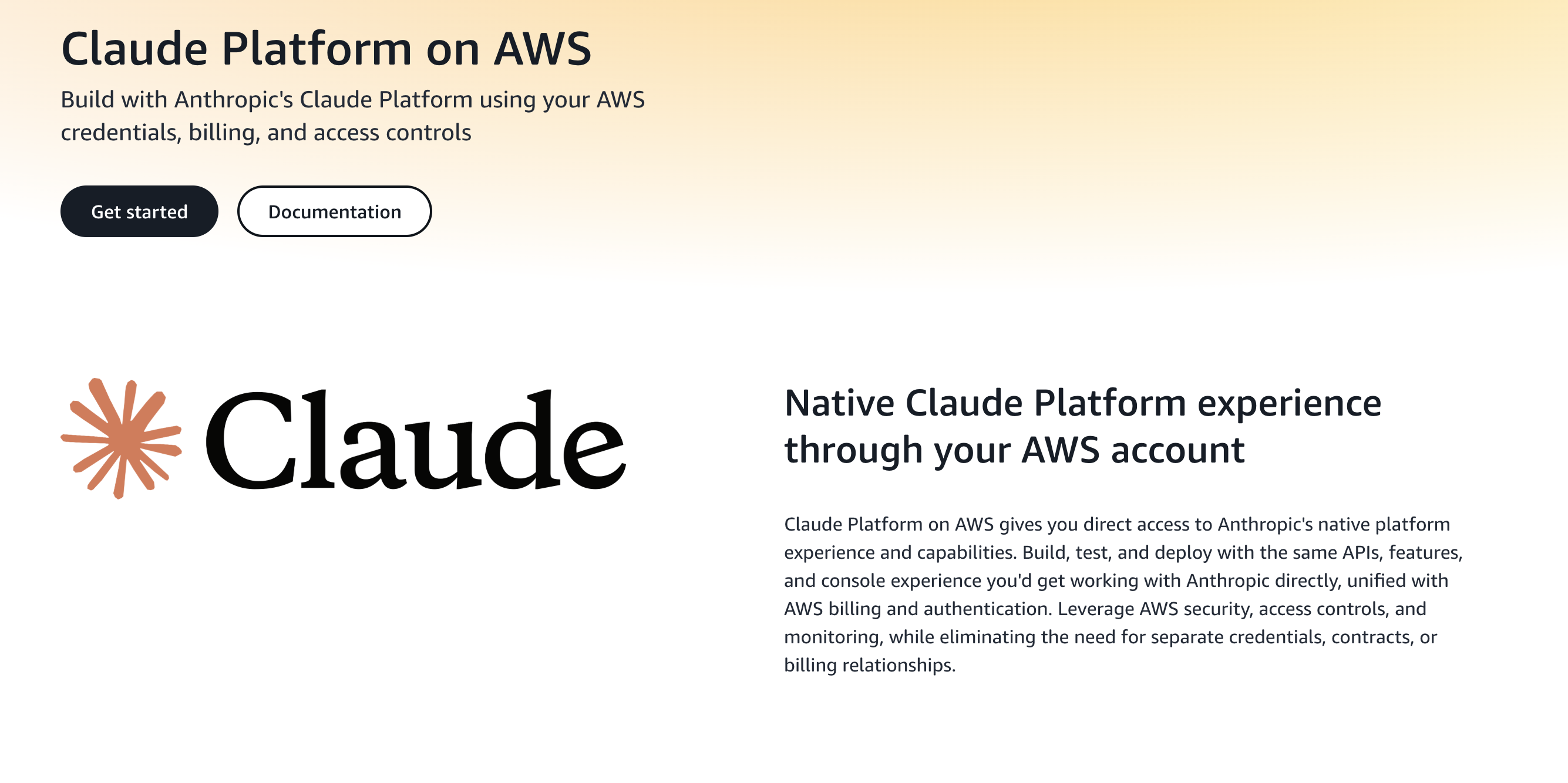
https://aws.amazon.com/ko/claude-platform/
Now, you can use Claude's native platform features with just an AWS account, without needing to sign up directly with Anthropic. The key point is that you can access features such as Claude Console, Managed Agents, MCP Connector, not just by using the model.
Key Takeaway: You can use Claude's platform features with just an AWS account, without signing up directly with Anthropic.
In this post, we will look at what this service is, what its features are, why it was released in this form, and summarize the simple usage and limitations.
What is Claude Platform on AWS?
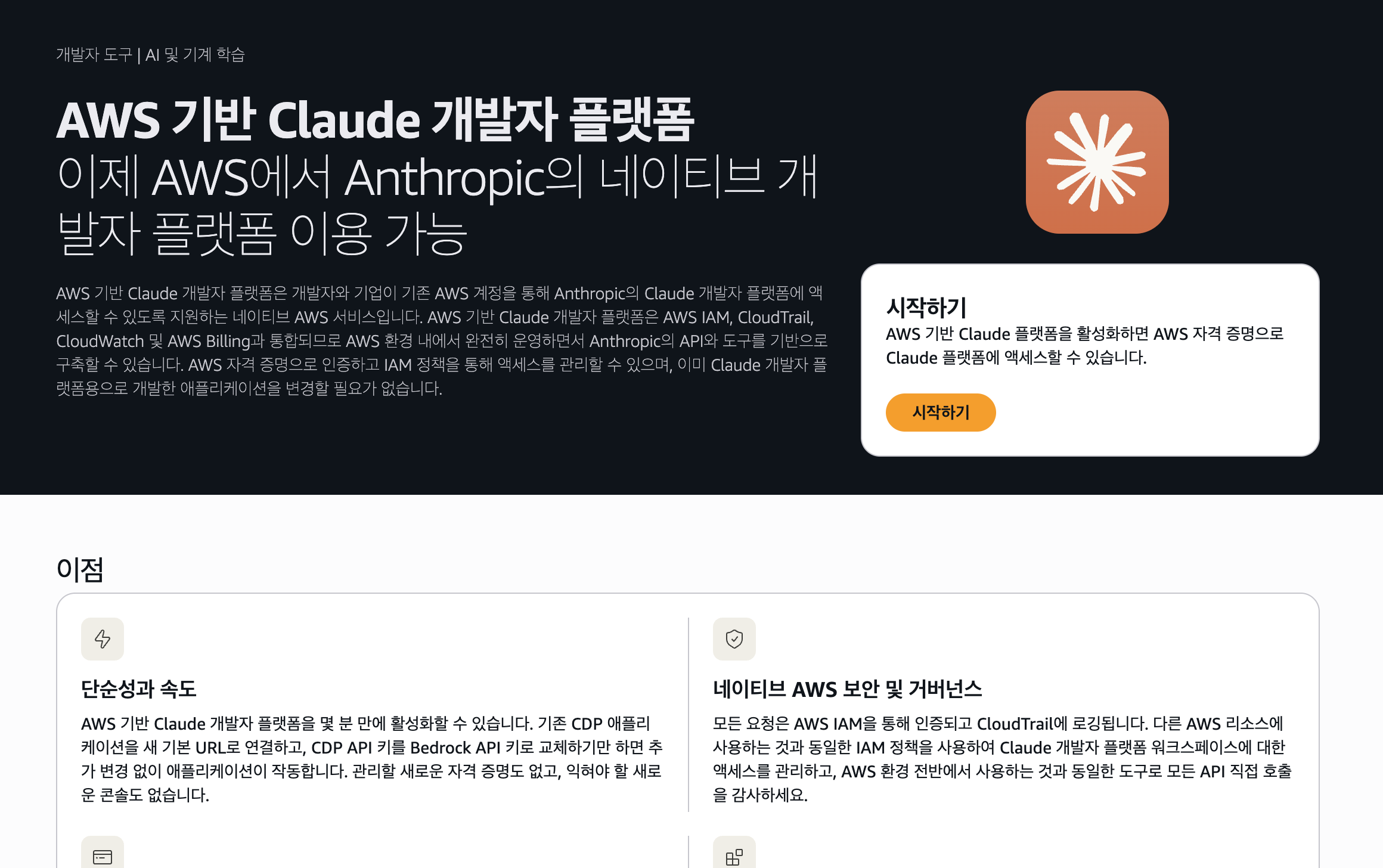
Claude Platform on AWS is a service provided by AWS to allow the native Claude platform of Anthropic to be used within an AWS account. Unlike the way AWS intermediates models like the existing Bedrock, it is closer to a structure where the Anthropic platform experience itself is accessed through AWS.
Item | Content |
|---|---|
Provider | Anthropic Claude Platform via AWS |
Access Method | AWS Account, IAM, AWS Marketplace |
Key Difference | Provides platform features, not just simple model calls |
In other words, you can get started with Claude in familiar AWS environments like the AWS Console, AWS Marketplace, and IAM, but the center of actual service is the Anthropic platform.
What are its features
The biggest feature is that you can use Anthropic's native features directly with your AWS account. It is not just at the level of being able to call models; features such as Claude Console, Managed Agents, MCP Connector, Agent Skills, Web Search, Web Fetch, and Code Execution are provided together.
Claude Console: A console for prompt development and evaluation
Managed Agents: A feature to configure agent-based tasks
MCP Connector: A feature to connect with external tools
Web Search / Web Fetch: Web search and web page fetching
Code Execution: Support for code execution-based tasks
In summary, it is as if an environment to operate Claude like a product has entered an AWS account, not just a simple LLM invocation service. Another important point is that you can use AWS IAM and CloudTrail as-is. From a corporate perspective, it fits well with existing AWS operations, and account/permission management can be handled in a relatively familiar way.
Why was this service introduced?
The background of this service lies in the strategic relationship between AWS and Anthropic.
In fact, Anthropic has seen a surge in user traffic with the recent arrival of Claude Opus 4.7, and has faced criticism from many users for being unable to handle it. Therefore, in April, they announced they would resolve this through collaboration with AWS.
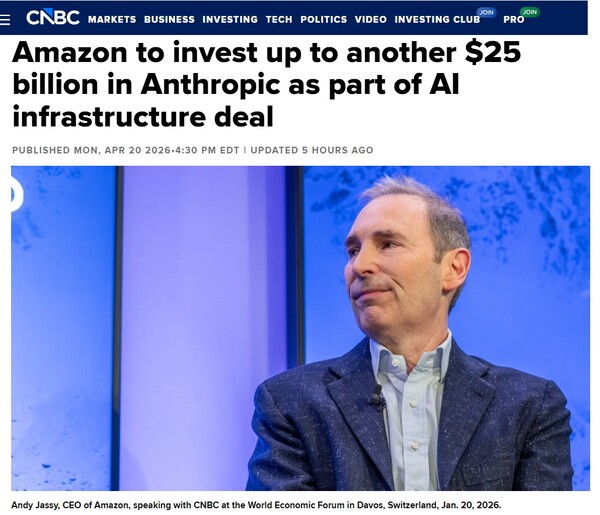
Amazon has continued to invest heavily in Anthropic from the past, and this new service clearly appears to be a swift follow-up extending that line.
Background Elements | Meaning |
|---|---|
Amazon's massive investment | Strengthening close partnership with Anthropic |
Anthropic's expansion of AWS usage | Creating an environment favorable for providing AWS-based services |
Demand from enterprise customers | Desire to use Claude directly within AWS |
As a result, AWS has gone beyond simply hosting the Claude model and expanded to offer Anthropic's entire platform to its customers. This can be seen as a structure closer to coexistence, rather than the model where one side absorbs the platform, similar to the relationship between Microsoft and OpenAI.
In short, AWS is more like connecting Claude so you can use it within AWS, rather than "renting" it.
How to use
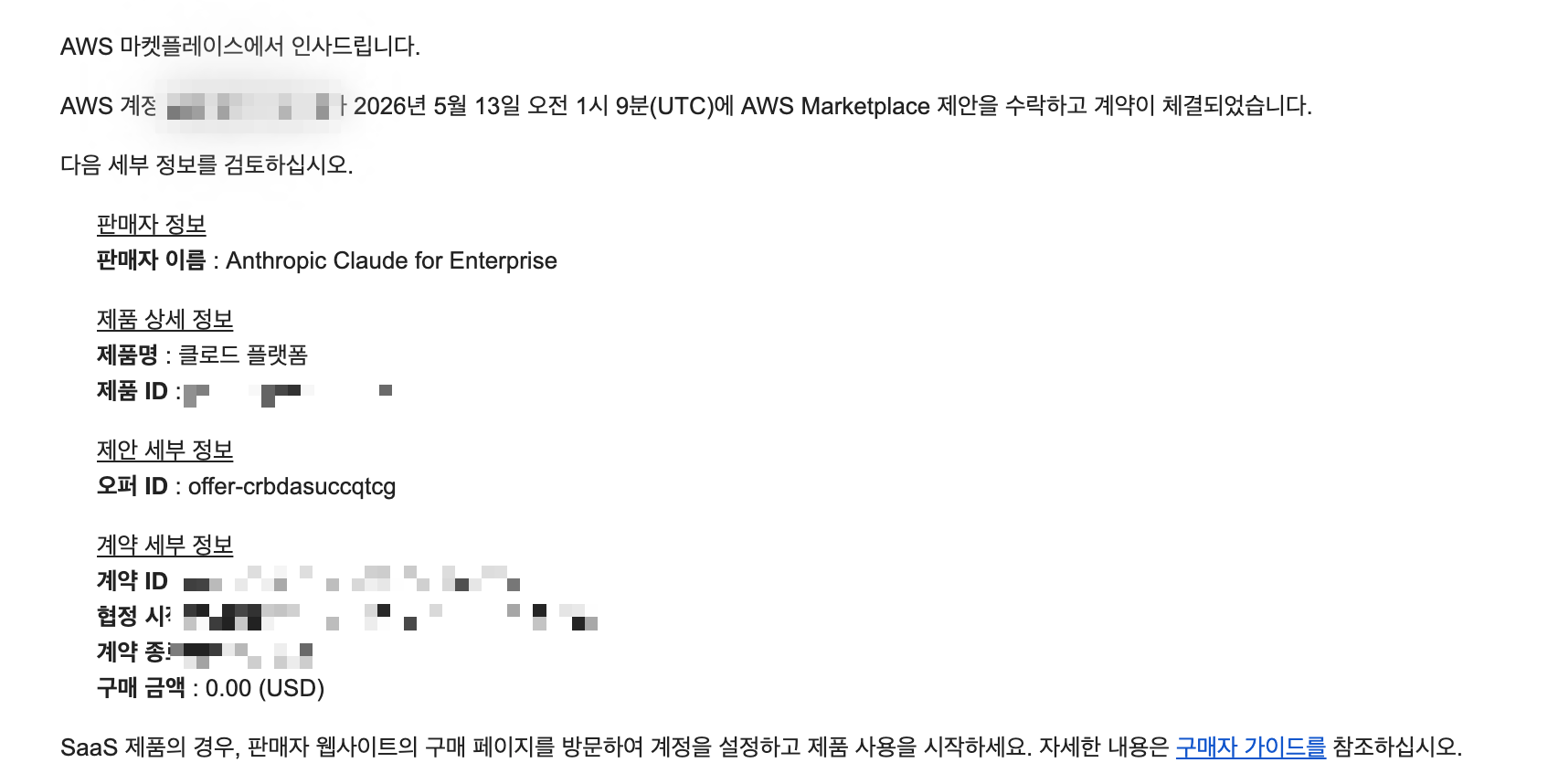
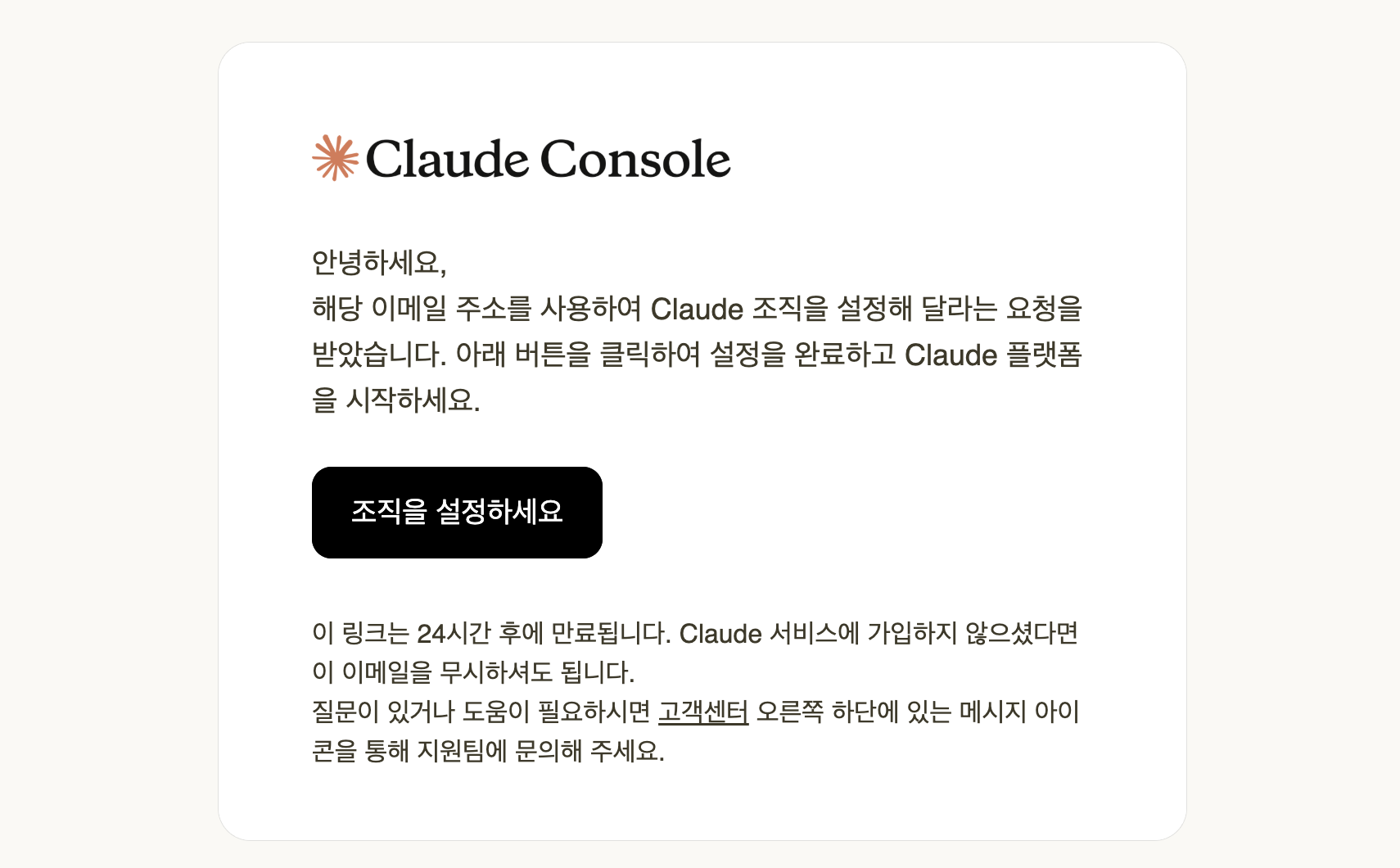
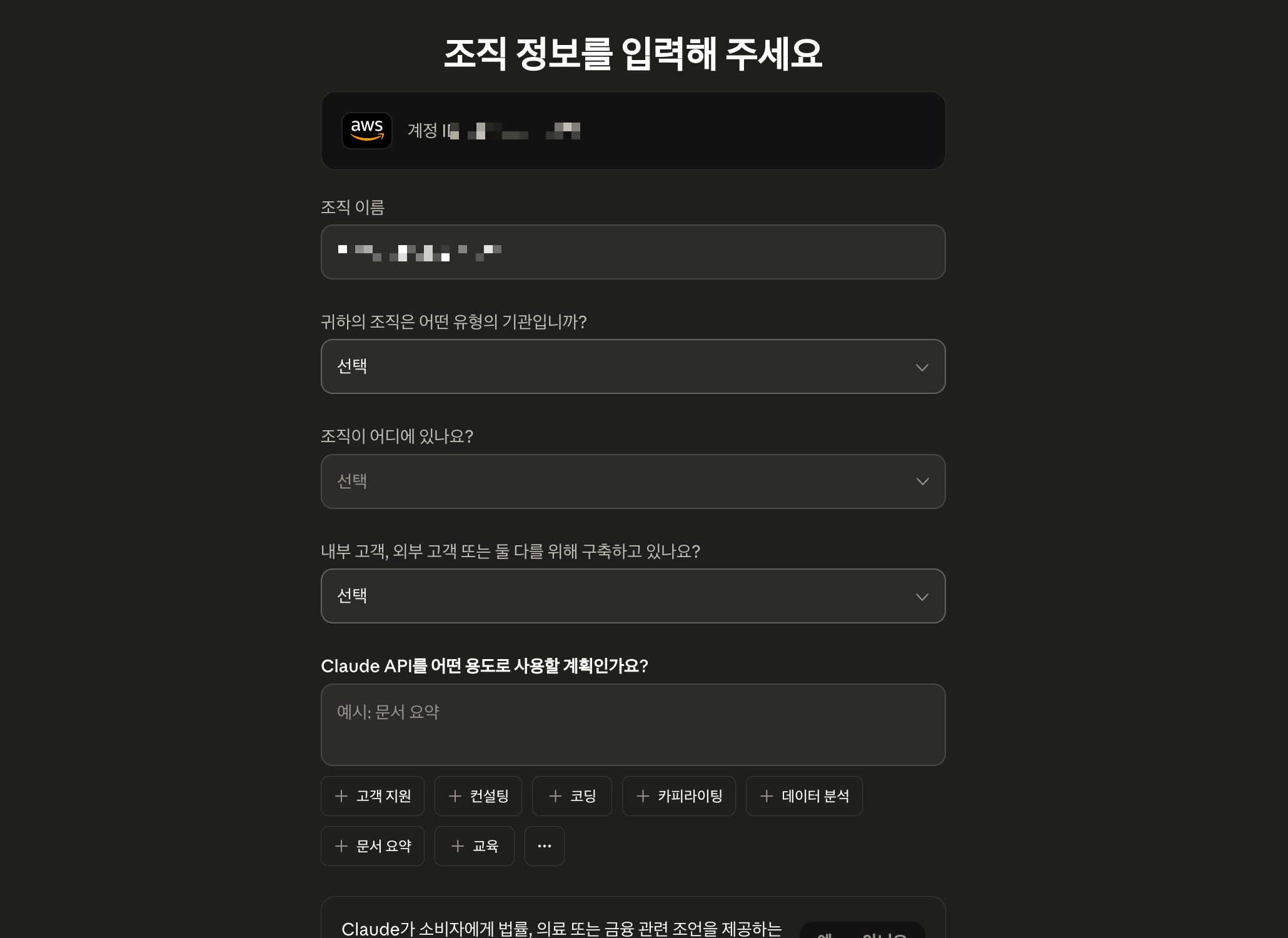
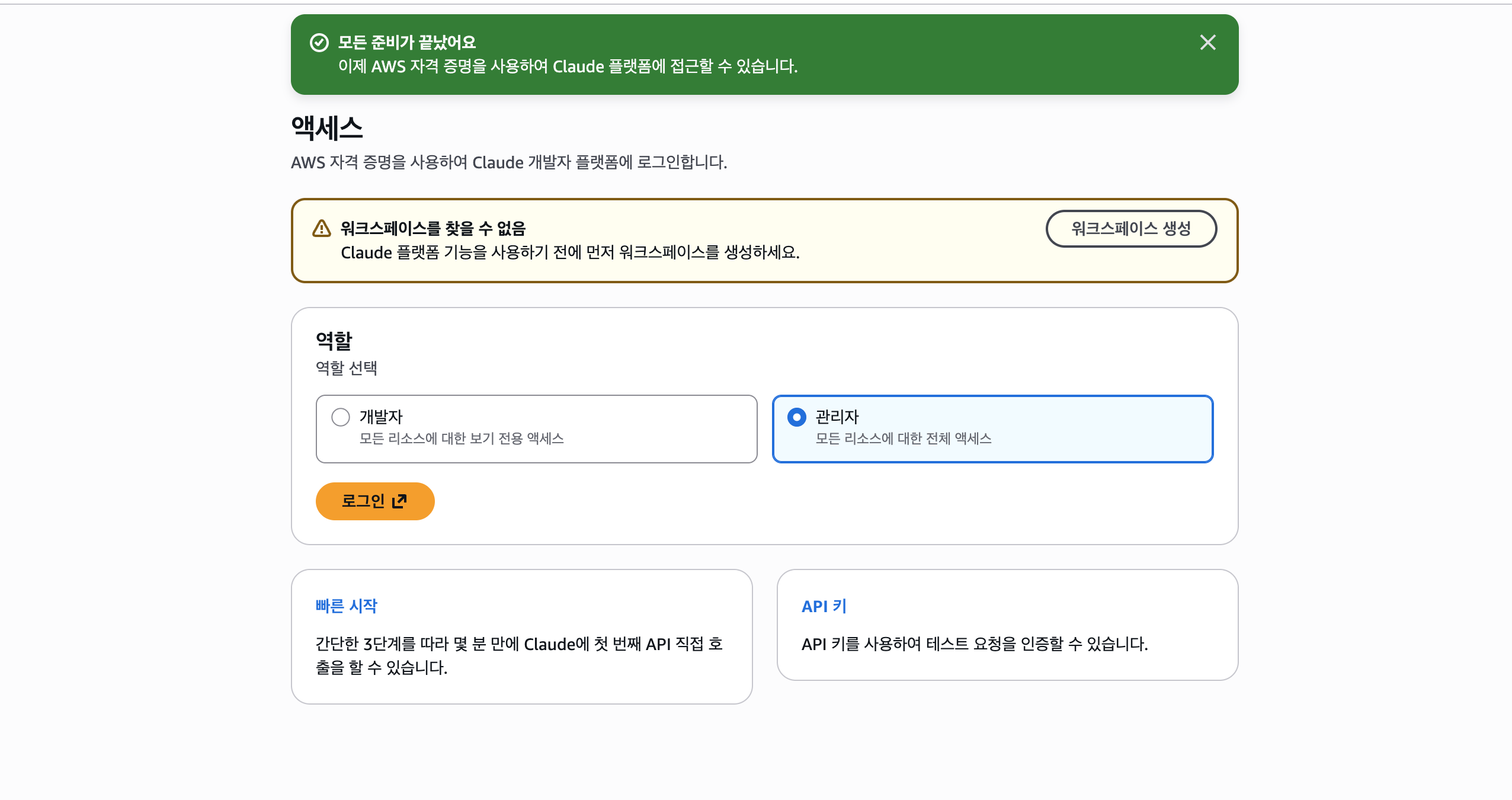
Getting started with Claude Platform on AWS is simpler than you might think. After activating Claude Platform in the AWS console, you just need to create a Workspace and set up your credentials.
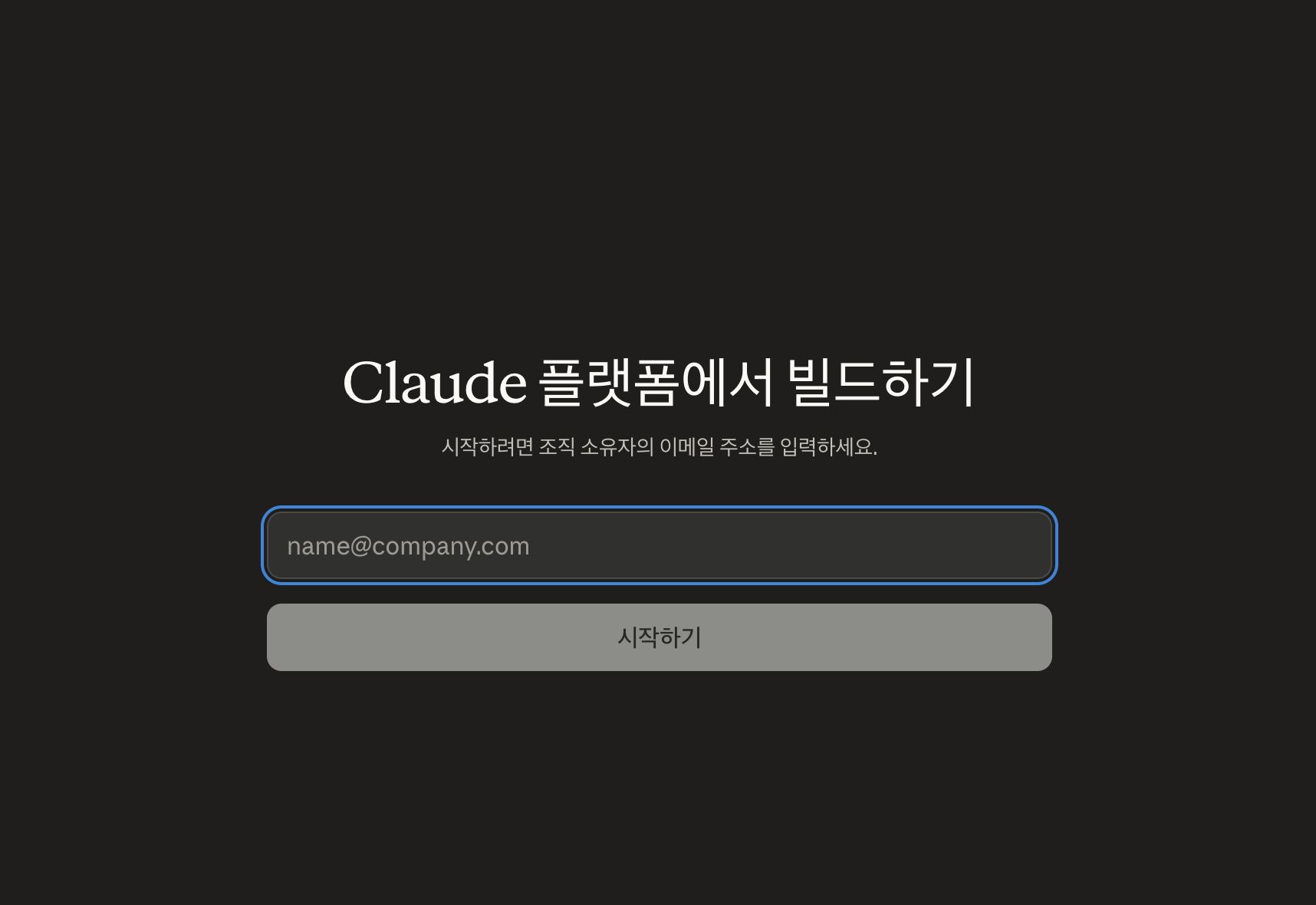
Activate the service from AWS Marketplace or the Claude Platform console
Create a Workspace
Configure IAM or API key-based authentication
Connect from the SDK or Claude Code
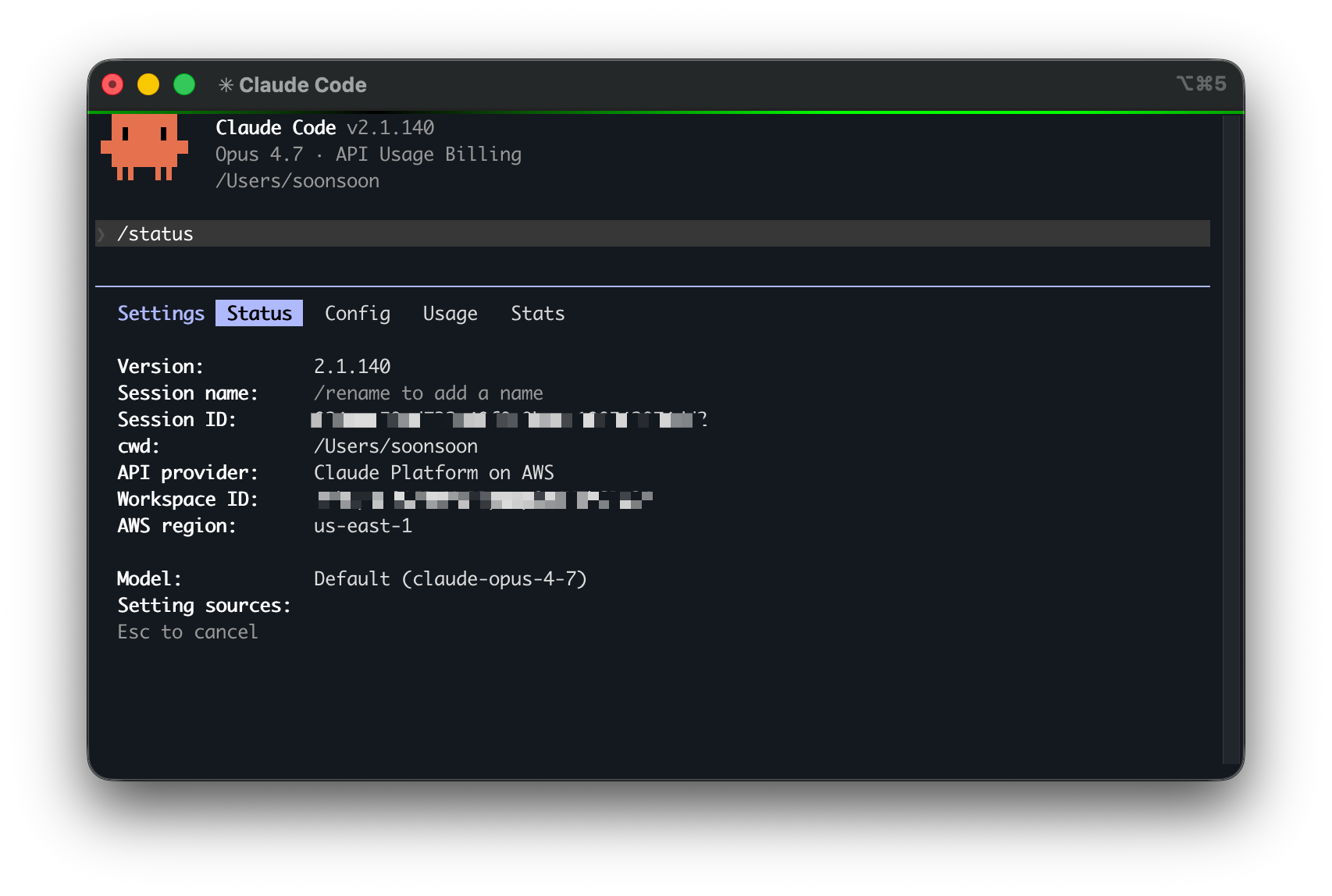
In practice, it’s not much different from using the existing Anthropic API, but the key difference is that you also need to be aware of the workspace-id and the AWS path.
For example, API calls can be configured like this.
export ANTHROPIC_API_KEY=<YOUR API KEY>
export ANTHROPIC_BASE_URL=https://aws-external-anthropic.<REGION>.api.aws
export ANTHROPIC_WORKSPACE_ID=<YOUR WORKSPACE ID>
Additionally, if you have been using Bedrock already, cached settings may remain and the configuration may not apply properly. We recommend deleting all your environment settings or removing Claude entirely and then reinstalling it.
Also, as of the methods available so far, there is no separate organization management feature, so when using it as a team, you need to either use the same API key or create separate long-term API keys for each team member.
Know the limitations, too
Just because this service is convenient does not mean it is suitable for every use case. In particular, it is important to note that data does not stay only within AWS. Because of that, Bedrock may still be a better fit for regulated industries or environments that require strict data residency.
Also, Claude Platform on AWS is not a service that replaces Claude Code, app development, or design work. In other words, using Claude to build apps directly or treating it like a design tool is outside its scope. It is more accurate to understand it as a service that lets you use Claude’s platform features in your AWS account.
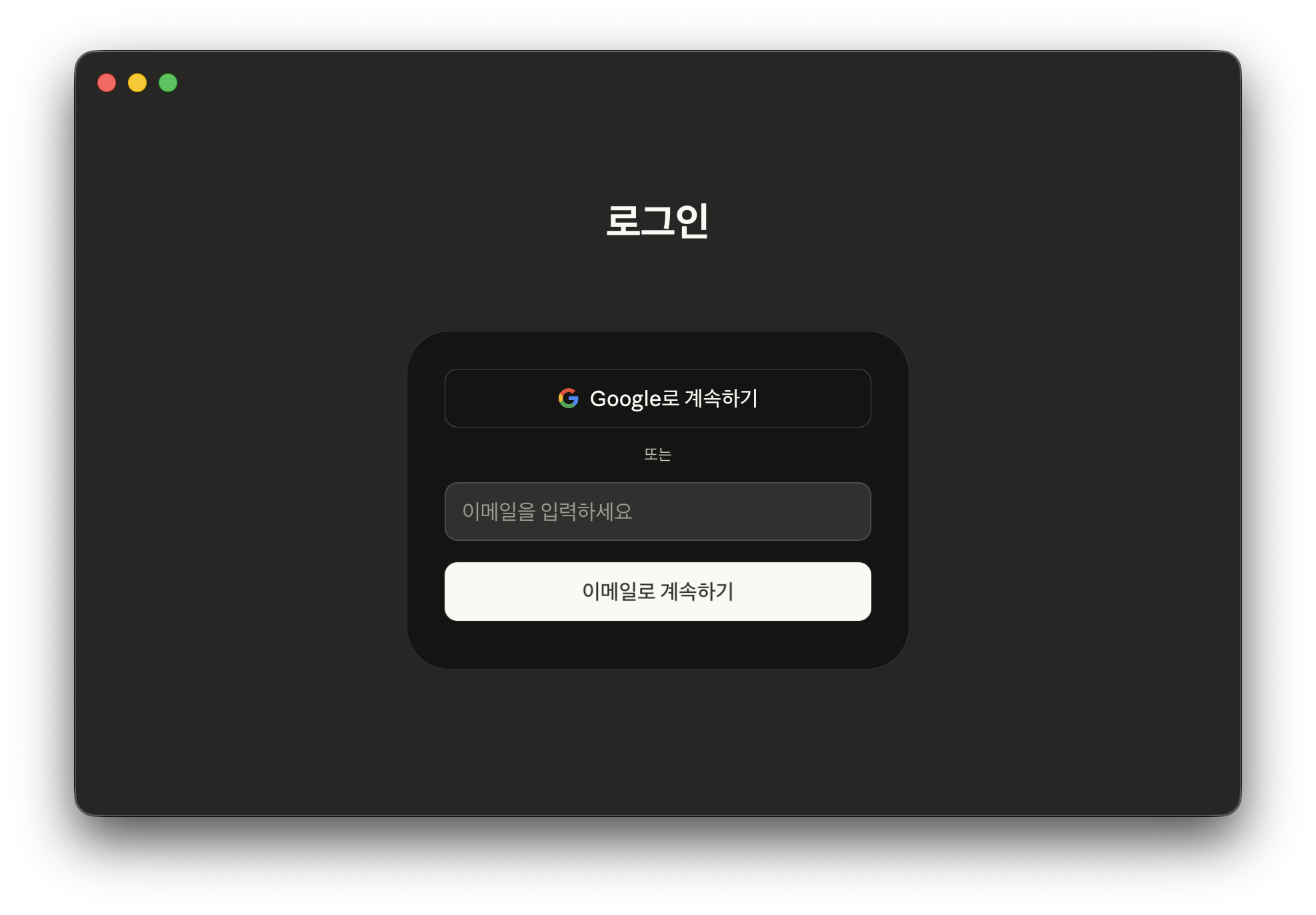
Unfortunately, it doesn’t seem usable with that service in apps like Claude Desktop.
In addition, some features are still in beta, so before using them in production, you’ll need to check the supported scope and stability.
Also, based on what’s been confirmed so far, it works using an API key method, but even if you issue a long-term key, it’s only valid for up to one year, which means there’s the added challenge of needing separate management for the usage period.
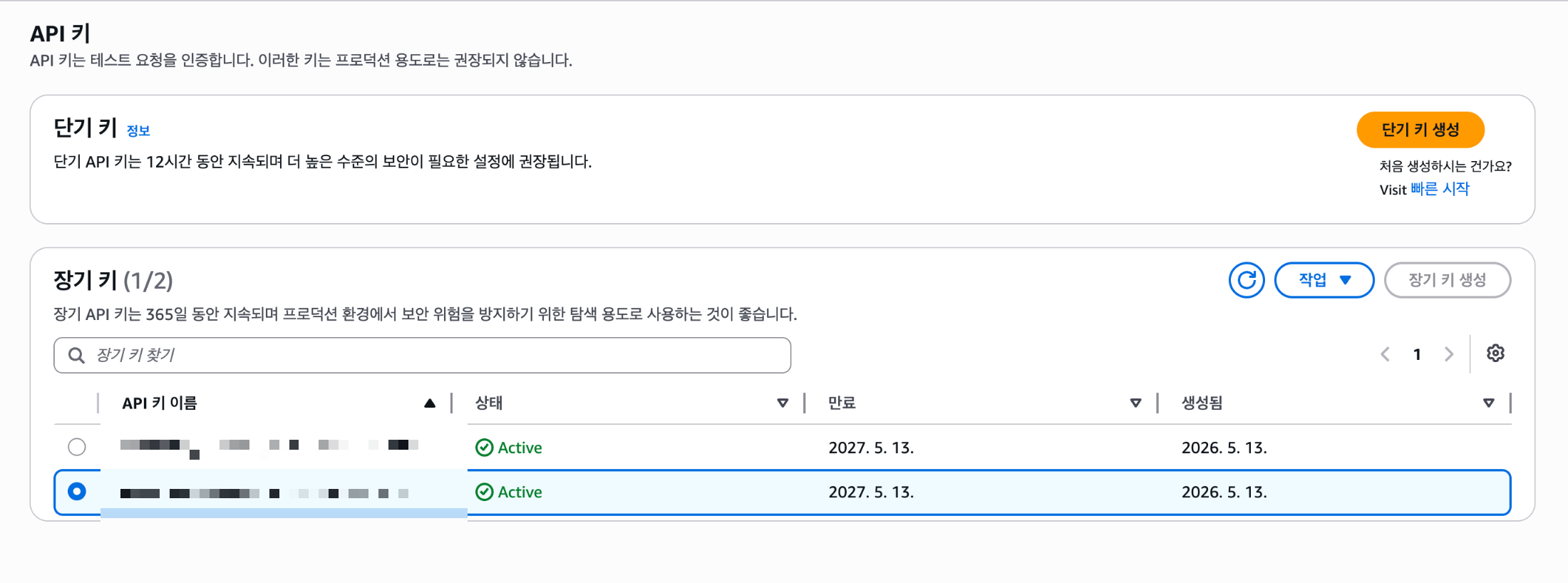
It’s also a bit disappointing that you can create only up to two keys.
Conclusion
Claude Platform on AWS is meaningful not simply as another way to access a model, but because it is a service that lets you use Anthropic’s native platform directly from your AWS account.
Above all, for companies and team-sized users who are struggling with the usage limits of the recently emerging Claude-related services, it seems like a very suitable option if they’re willing to pay more in exchange for usage that feels almost unlimited.
Of course, that also raises concerns about getting hit with a massive bill... but even so, it may still be better than being unable to use it at a critical moment because of Anthropic’s usage limits ( I’ll test it myself and share my thoughts. ).
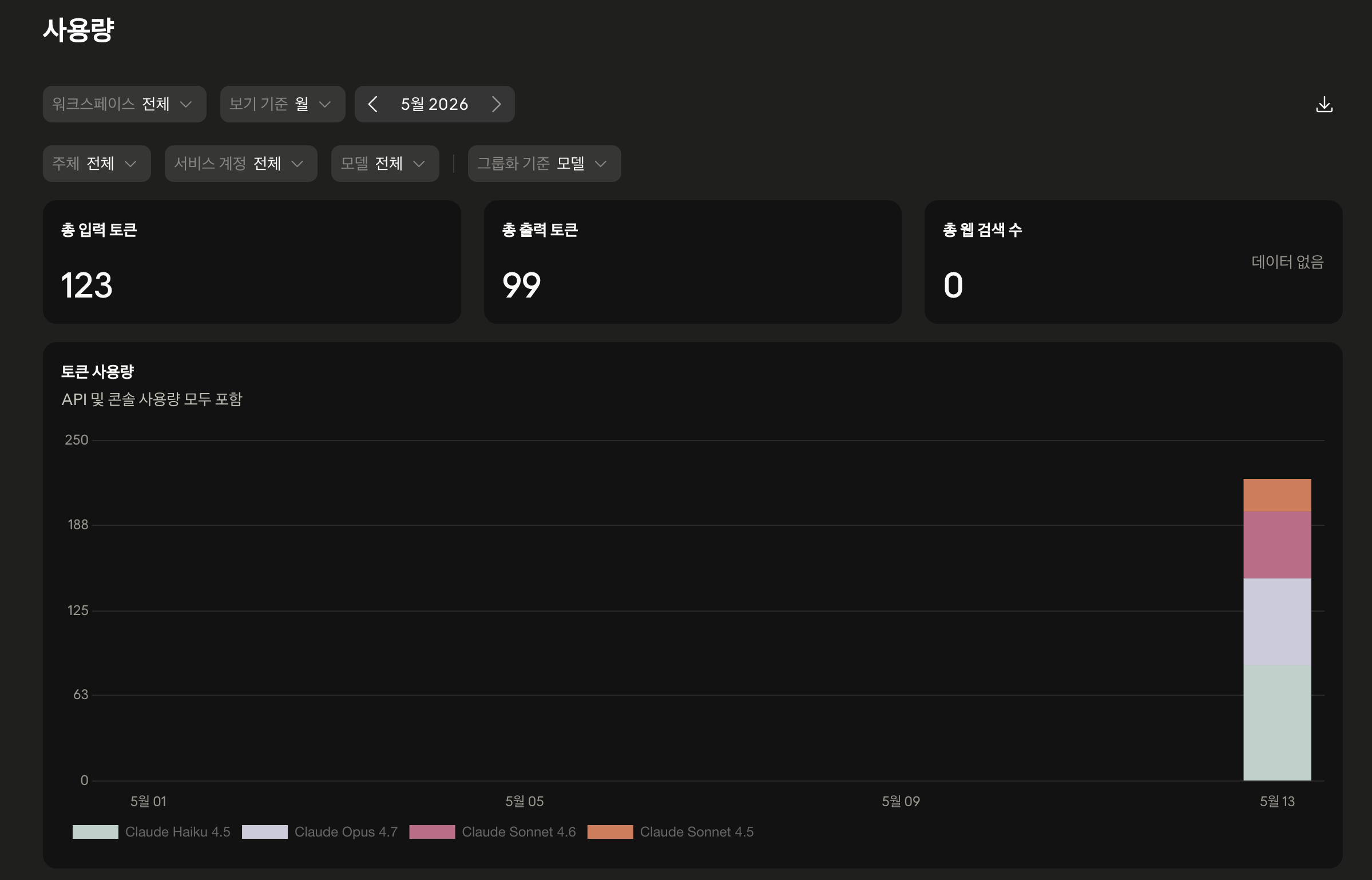
I’ve only just finished setting it up, but usage is already showing up... kind of scary...
Also, since the program is called Claude Platform on AWS, I wonder if similar collaboration business models with other companies, like Claude Platform on Azure(MS) or Claude Platform on Vertex(google) , might also emerge.
I’ll be keeping an eye on how it develops from here.